
Veterans Are Not a Monolith — And We Need to Stop Treating Them Like One
- Mar 21, 2025
- 3 min read
Updated: Jun 6, 2025
Rewrite the Narrative | Victory Bridge

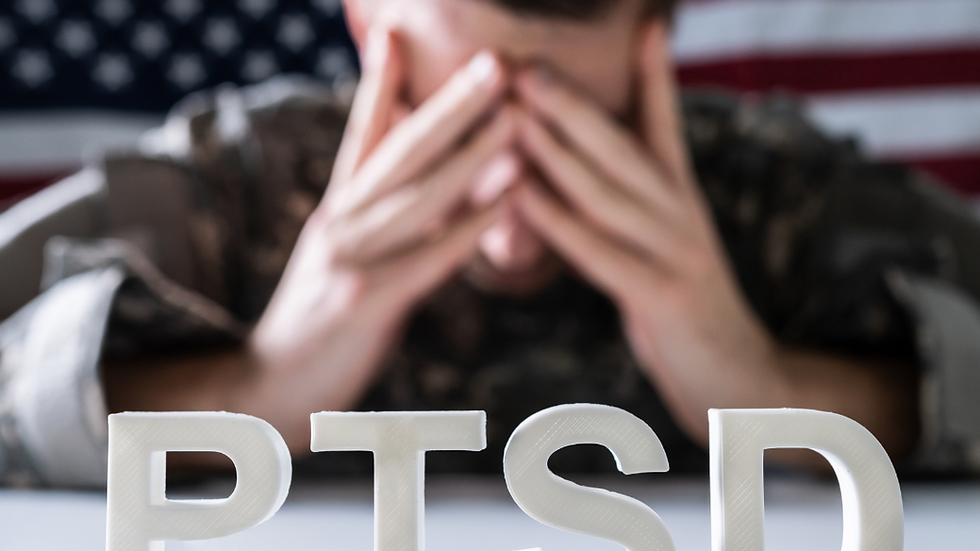
When you walk into a room and ask someone to picture a veteran, what do they see? Most likely, they visualize a man. He could be older, perhaps wearing a cap with a war's name on it. Some may think of a tough, stoic individual, hardened by combat. Others might envision a person silently dealing with trauma. Unfortunately, many tend to believe that all veterans look, think, and act the same.
But they don’t.
The truth is that there is no single story that defines the veteran experience.
Veterans consist of men and women from every race, religion, age, and political background. Some served in combat, while many did not. Some enlisted due to family traditions, while others sought education, stability, or a way out of tough situations. Some veterans transition quickly into civilian life, but others face years of struggle.
All veterans are individuals. It’s time we recognize and treat them that way.
The Myth of the “Standard Veteran”
Often, society stereotypes veterans. The media, hiring practices, and general assumptions group veterans into one category. This portrayal is misleading. Veterans are not a monolith.
For example:
Women make up over 2 million U.S. veterans, a number that is on the rise. By 2040, they will represent 18% of the total veteran population.
Veterans come from all walks of life. They come from urban centers, rural communities, and diverse educational backgrounds.
Many veterans have never seen combat. In fact, about 40% of post-9/11 veterans never deployed to a combat zone. Their roles range from logistics and cybersecurity to healthcare and engineering.
Veterans hold a variety of political beliefs, faiths, and identities. No single perspective or party can represent them all.
When we view veterans through a narrow lens, we erase the very diversity that makes them unique.

The Impact of Assumptions
Assumptions about veterans are not only incorrect; they are damaging. They affect:
Employment: Hiring managers may overlook qualified veterans who don’t fit their preconceived image.
Healthcare: Stereotypes can lead to inappropriate treatments or misdiagnoses.
Daily interactions: From awkward remarks to outright bias, these assumptions create barriers instead of fostering connections.
Consider this: many female veterans report being dismissed or questioned regarding their service. A common experience is having someone thank them for supporting a veteran husband when they themselves wore the uniform.
Younger veterans, particularly those who don’t match society's visual expectations, frequently hear phrases like, “You don’t look like a veteran.” How do we define a veteran, and why do we cling to outdated images and beliefs?

Why Understanding Veterans Matters
Today, we find ourselves at a critical point. With fewer Americans having direct ties to military service, the divide between civilians and the military continues to widen. Relying on stereotypical images means we miss out on opportunities for genuine understanding.
Genuine understanding is essential for several reasons. It honors their service and is crucial for supporting veterans' reintegration into civilian life, their mental health, and their dignity.
At Victory Bridge, we aim to change the narrative — not with catchy slogans, but with facts, stories, and actionable steps. This campaign is not about glorifying or pitying veterans. Instead, it's about seeing them as individuals first, with rich and complex lives.
What You Can Do to Support Veterans
You don’t need to be a veteran to make a positive difference. Here’s how everyone can help break down stereotypes:
Challenge the stereotypes you hear.
Ask questions respectfully and listen without preconceived notions.
Understand the various roles in the military. Remember, not all veterans are from combat units.
Support veteran-owned businesses, leaders, and storytellers from diverse backgrounds.
Stop treating “veteran” as a personality type. It’s just one chapter of someone's life and doesn’t define their entire identity.
Veterans are individuals — not mascots, tropes, or symbols. They deserve to be seen as such.
Let’s work together to bridge the civilian-military divide and change the conversation. It’s time to rewrite the narrative.


Comments